
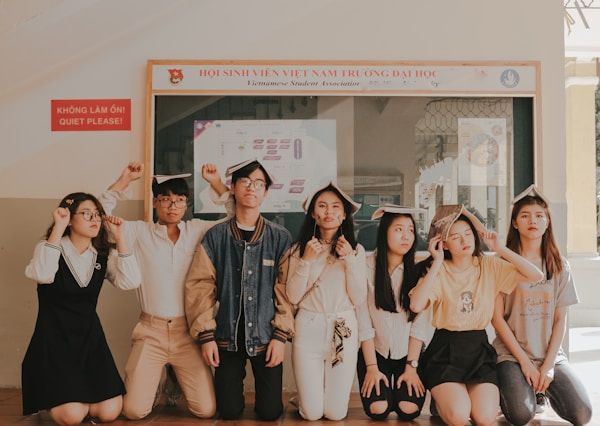
Shared Traditions, Language, and HeritageProfound Cultural Connections
Despite being separated by national boundaries, the cultural practices in these regions exhibit remarkable similarities, highlighting a unique bond that transcends borders.
Observing how the distinct traditions of one community are mirrored and celebrated by people in a different country underscores the deep-rooted connections that exist between these regions.
Several initiatives have already been taken under the umbrella of Act East Policy, Mekong-Ganga Cooperation (MGC), ASEAN-India Comprehensive Strategic Partnership and BIMSTEC to nurture the civilisational heritage and cultural connect between North-east India and Southeast Asia.
Despite various initiatives, there are challenges such as lack of awareness and comprehensive educational programmes, fragmented cultural exchanges, inadequate language learning and language researching opportunities, lack of infrastructure to promote niche tourism, underutilisation of the potential of cultural industry and traditional tourism, limited collaboration on preservation of shared heritage, digital divide, and so on.
Addressing these challenges would help promote greater people-to-people connectivity between North-east India and Southeast Asia.
The strategic location of North-east India has historically connected South Asia, East Asia, and Southeast Asia, with Buddhism playing a significant role.
The Ramayana, central to Hindu tradition, also unites these regions through local adaptations like the Khamti Ramayana in Arunachal Pradesh, Indonesia’s Wayang Kulit, and Thailand’s Khon dance.
Languages have long connected Northeast India and Southeast Asia, shaped by migrations over centuries.
Austro-Asiatic speakers were likely the first settlers, followed by Tibeto-Burman speakers.
The Kamarupa kingdom's capital, Pragjyotishpura, was a hub of learning, spreading religious texts.
Tai languages in Arunachal Pradesh and Assam share roots with those in Thailand and Lao PDR, belonging to the Tai-Kadai family.
The Ahom rulers, Tai descendants from Yunnan, migrated via Myanmar in the 13th century.
In view of the rich historical and civilisational linkages, this session will highlight the role of tradition and languages in promoting relations among the people of the North-eastern region and the Southeast Asian countries.
The link between culture, heritage, and the economy is deep and complex.
Cultural and heritage assets have a significant impact on economic development, with tourism being a prime example.
Historical sites, monuments, and cultural festivals attract visitors, generating revenue and local businesses.
This boost in tourism often creates job opportunities in fields such as conservation, guiding, and craft production.
Furthermore, cultural heritage propels various industries, including fashion and media, where traditional techniques and motifs inspire contemporary designs and content.
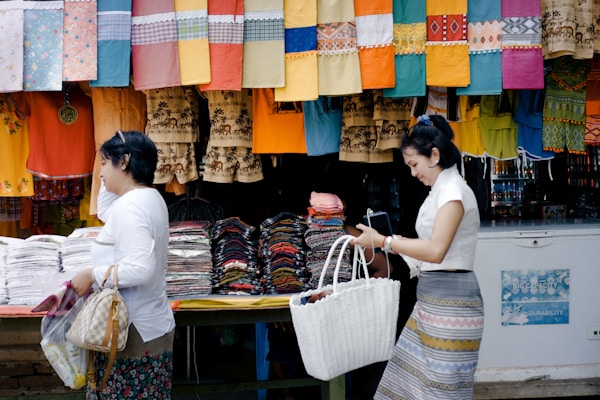
Local economies benefit from heritage-related activities as traditional markets and local artisans gain exposure and income from cultural events.
Investing in cultural heritage can also promote sustainable practices through the use of traditional methods.
The interplay between culture, heritage, and the economy highlights how preserving and celebrating historical and cultural assets can foster economic growth and development.
This session will delve into the crucial linkages between culture, heritage and economy, and explore the possibility of strengthening such inter-linkages.
Shared Traditions, Language, and HeritageProfound Cultural Connections